
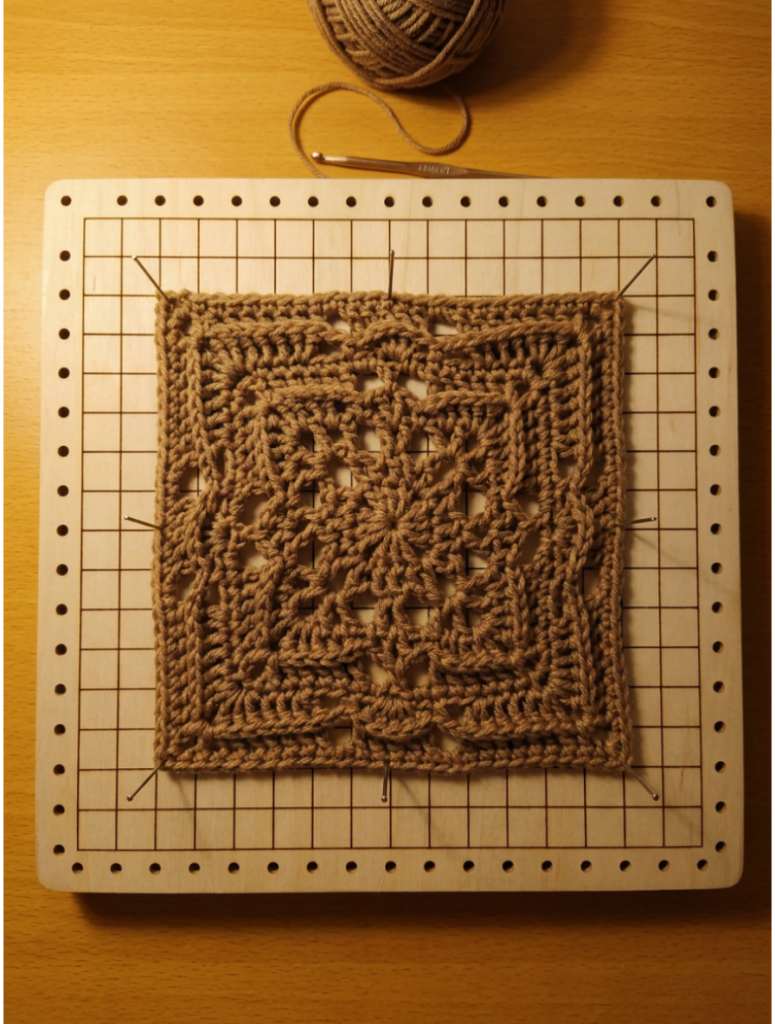
From Lumpy to Lovely: Why Blocking Is Every Crocheter’s Secret Superpower
You’ve just woven in the final end on a gorgeous lace shawl or a cozy sweater. You lay it flat, step back to admire your hard work, and it looks like a rumpled, wavy dishrag 😕.
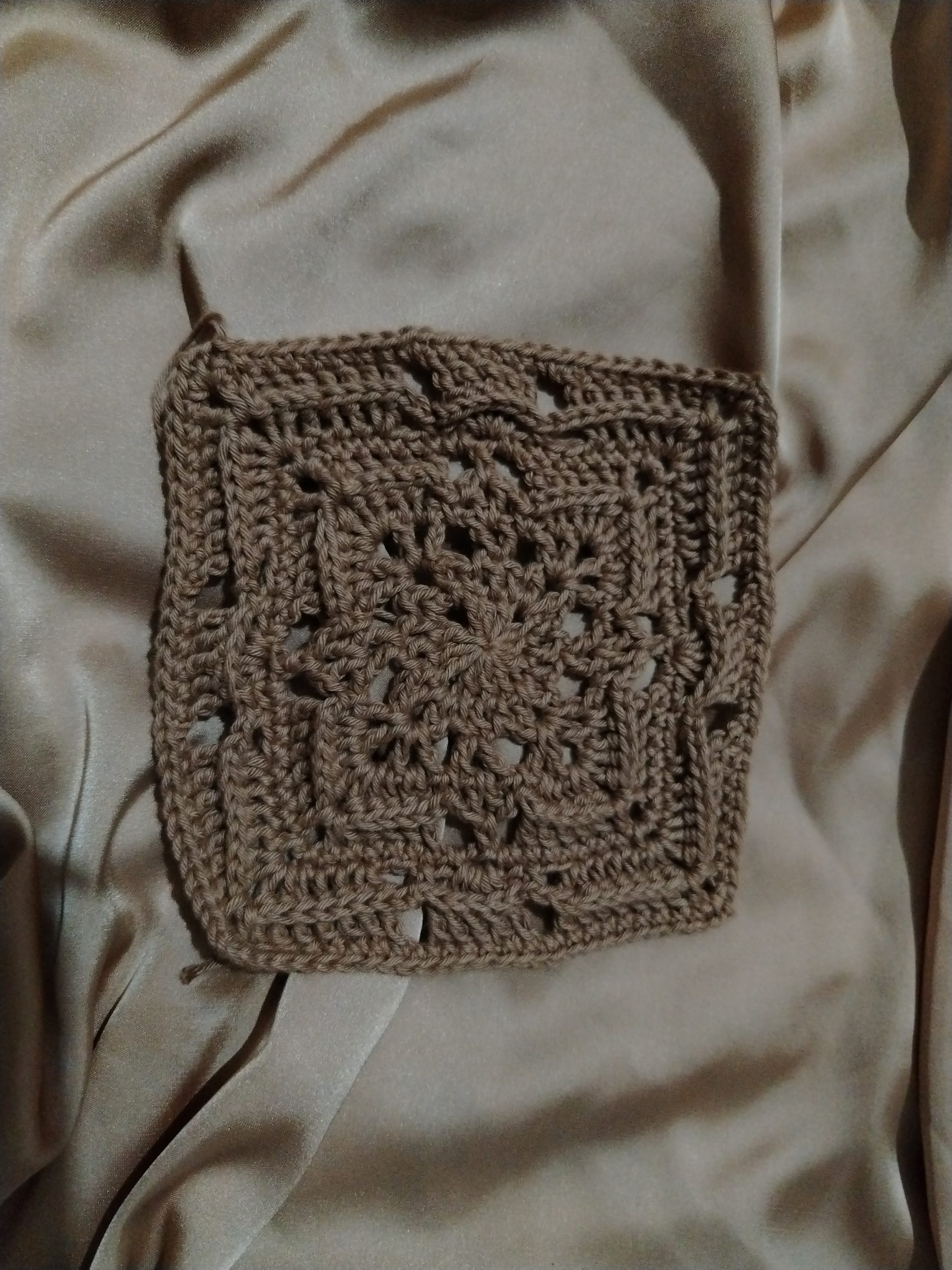
Before you toss your project into the nearest yarn bin in despair, take a deep breath. Your work isn’t ruined, it’s just waiting for its final, magical transformation.
Welcome to the world of blocking, the ultimate crochet superpower 🤩. aa
Blocking is the simple process of using water, heat, and pins to stretch, shape, and set your stitches. It opens up complex lace patterns, straightens stubborn edges, and turns stiff, rigid fabric into a piece with gorgeous, fluid drape.
Choose Your Shaping Weapon
Not all crochet projects need the same treatment. The technique you pick depends on the story your yarn wants to tell.
1. The Spa Treatment (Wet Blocking)
This is the gold standard for natural fibers like wool, alpaca, cotton, and linen.
- How to do it: Submerge your project in a bowl of lukewarm water with a splash of rinse-free wool wash for about 15 minutes. Gently squeeze out the excess water and never wring or twist your fabric like a wet dishcloth, as this stretches the stitches unevenly.
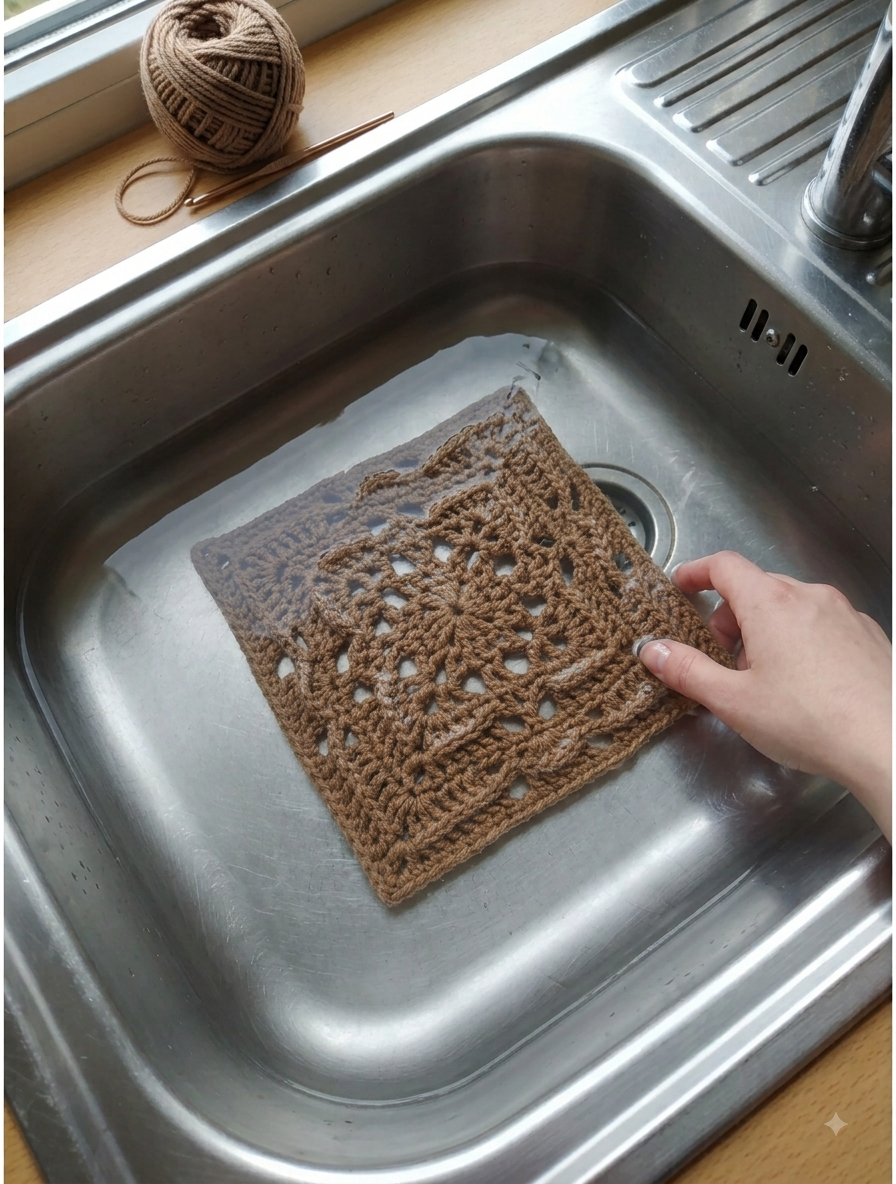
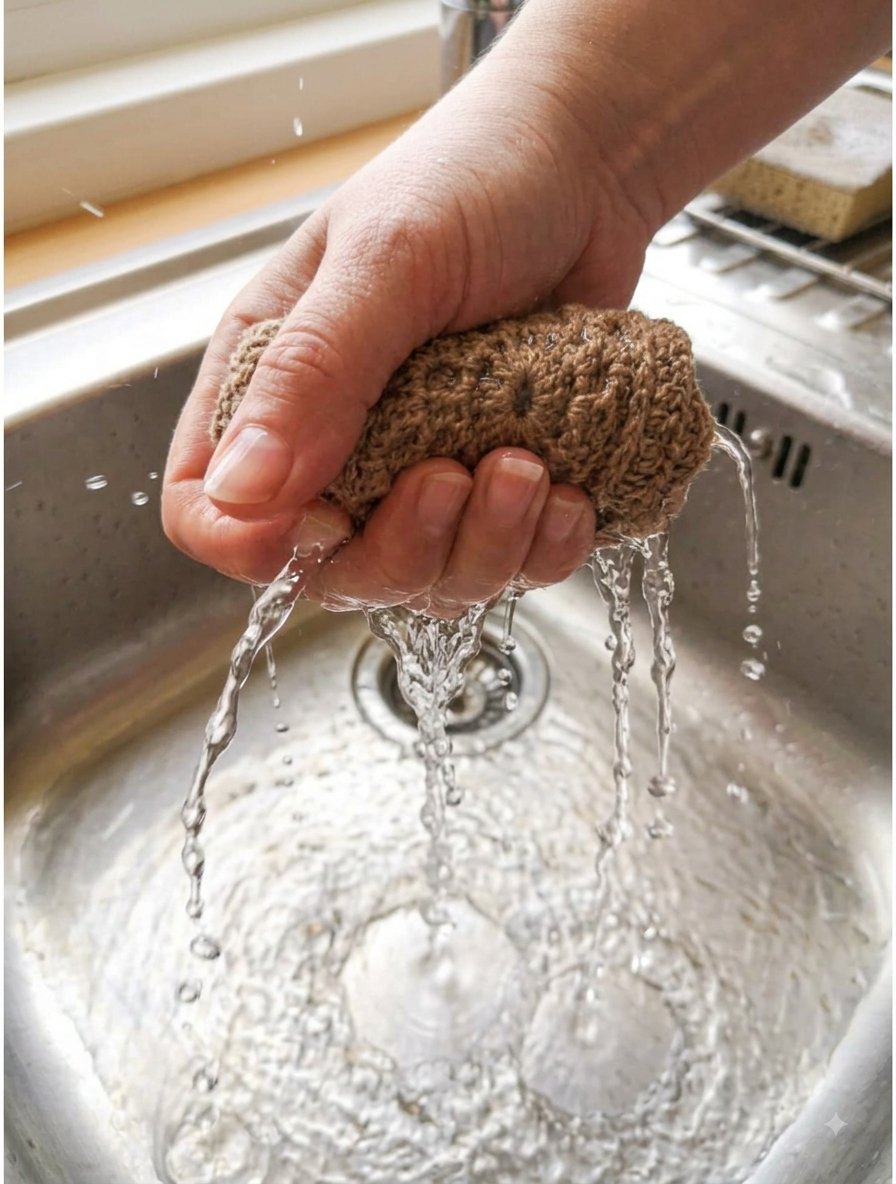
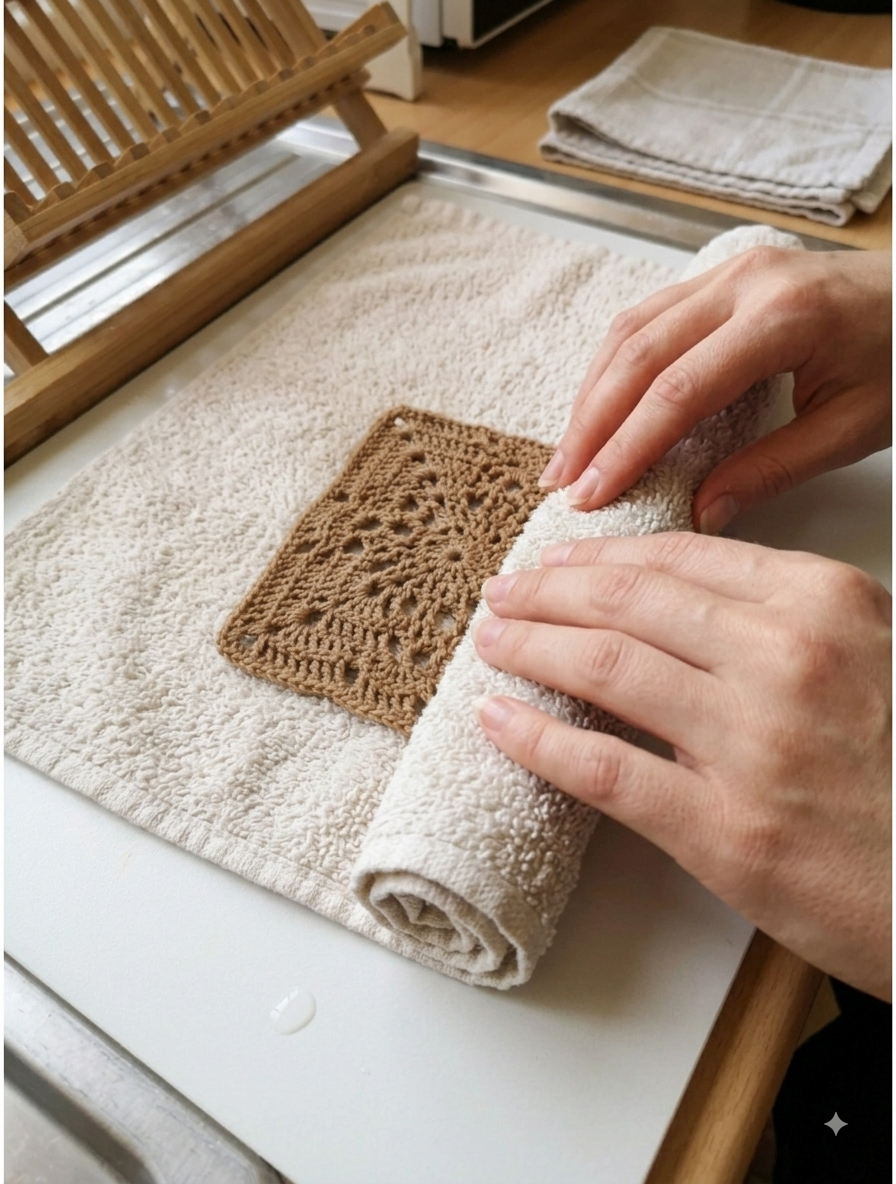
- The Finish: Roll the item up in a clean towel like a sushi roll and press down to absorb moisture. Pin it into shape on foam mats and let it air dry completely.
2. The Hot Steam Bath (Steam Blocking)
Steam blocking is the secret weapon for acrylics, polyesters, and synthetic blends. Because acrylic is essentially spun plastic, cold water won’t alter its shape. Heat, however, works wonders.
- How to do it: Pin your dry crochet project to your desired dimensions on a heat-safe mat. Hold a garment steamer or steam iron 1 to 2 inches away from the fabric, letting the hot vapor hover over the yarn.
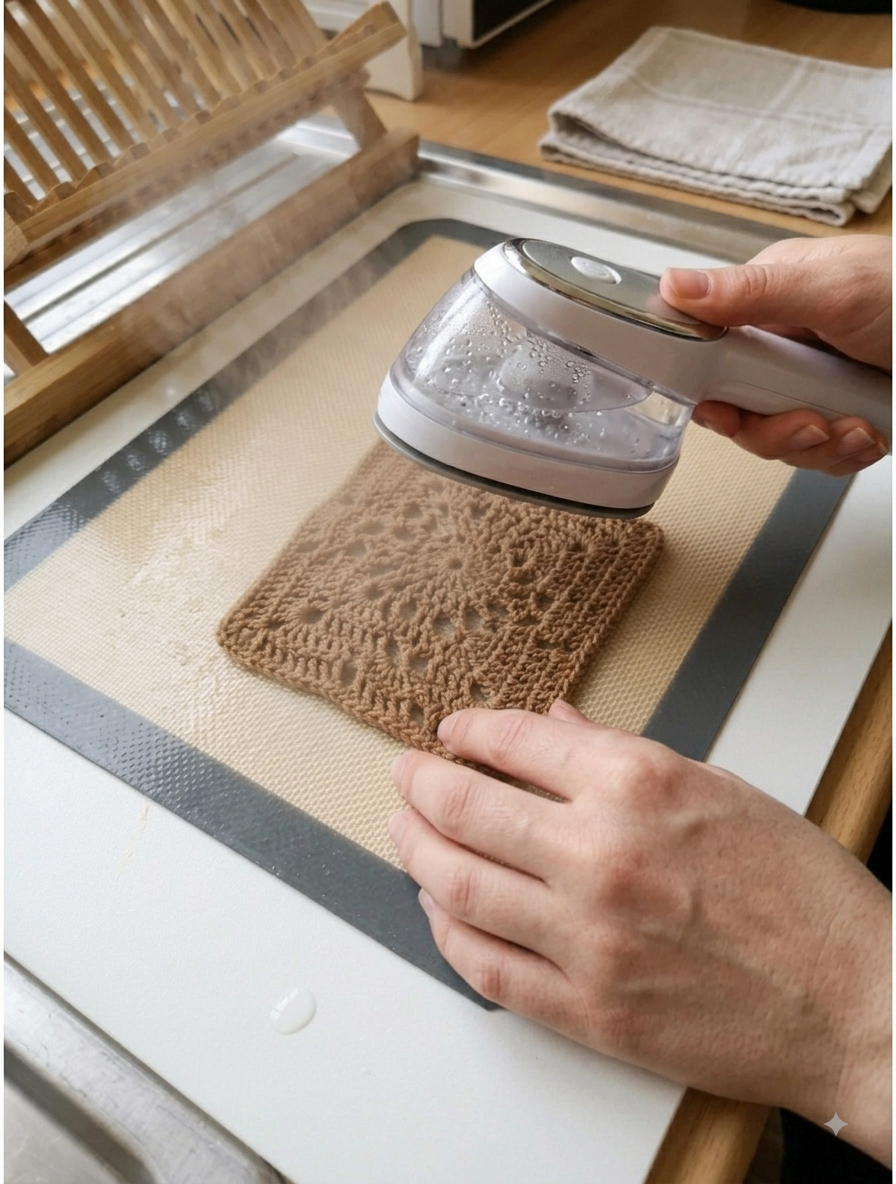
- A Warning for the Bold: Never let the hot metal plate directly touch synthetic yarn! The heat slightly kills or melts the plastic fibers just enough to permanently loosen stiff stitches, but direct contact will turn your sweater into a melted blob.
3. The Gentle Dew (Spray Blocking)
If you’re working with delicate materials, fibers prone to color bleeding, or a project that just needs a light tune-up, spray blocking is your best friend.
- How to do it: Pin your dry piece down, grab a spray bottle filled with plain water, and mist it thoroughly until damp. Let the air do the rest of the work.

~ Crocheter’s Blocking Guide ~

The Must-Have Tool Squad
You don’t need a high-end studio to block like a professional, but a few essential tools make the job much smoother:
- Interlocking Foam Mats: These provide a cushiony, water-resistant grid to pin your work down accurately. Budget hack: Exercise floor tiles or kids’ puzzle mats work just as well as specialty crafting boards.
- Rust-Proof Stainless Steel T-Pins: Always verify that your pins are stainless steel. Regular sewing pins will oxidize when exposed to moisture, leaving permanent orange rust spots on your precious work.
- Blocking Wires and Combs: Threading flexible wires through the edges of a blanket or shawl lets you pull an entire side taut with just a few pins, preventing awkward picket fence bumps along your borders.
Three Golden Rules for Flawless Results
- Always Block Your Gauge Swatch: Don’t wait until you’ve crocheted an entire sweater to discover your wool expands two full sizes after washing. Wash and pin your initial test swatch first so you know your true final dimensions.
- Never Unpin Early: Patience is key. If you pull your pins while the fabric is even 5% damp, the yarn memory will cause it to snap right back to its original, crumpled state.
- Respect the Process: Blocking isn’t fixing a mistake, it is a foundational step of crafting. Think of it as ironing a dress shirt after washing it; the garment simply isn’t finished until it’s set.
Give your next project the spa day it deserves, and watch your crochet transform from lumpy to lovely!