
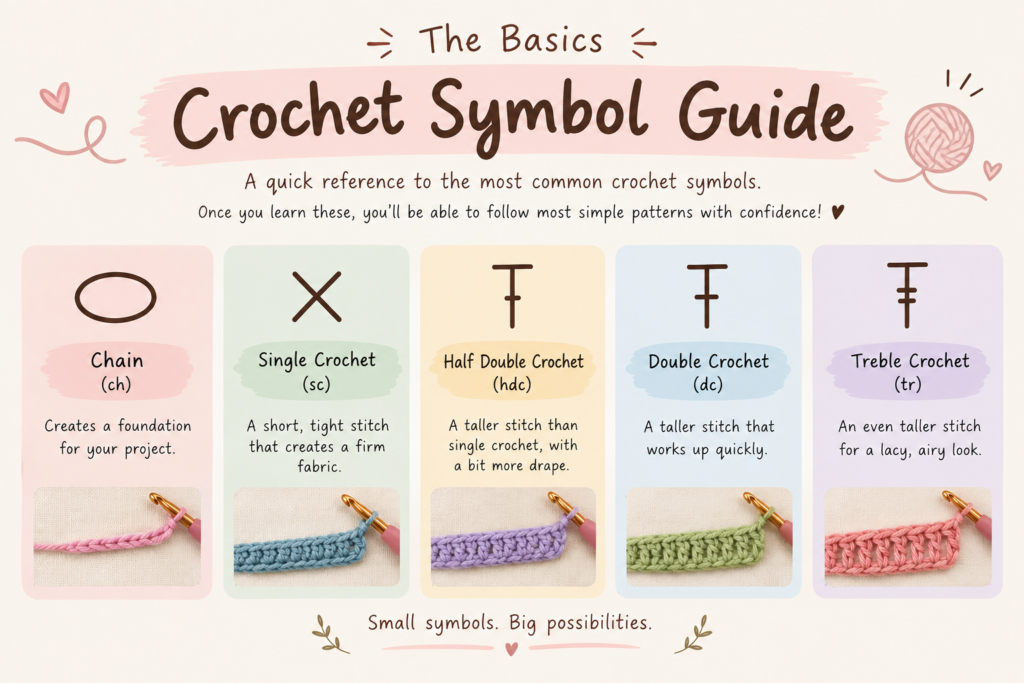
Have you ever opened a crochet pattern, looked at all those little symbols, and thought, “What am I supposed to do with these?” 🧶
If you’ve ever felt overwhelmed by crochet symbols, especially when working with your first written pattern, you’re definitely not alone!
When you’re just starting out, learning crochet already comes with plenty of things to remember. You’re figuring out how to hold your yarn, where to insert your hook, and how to make your stitches. Then comes the pattern, filled with abbreviations and symbols that seem to speak an entirely different language.
It can be a little intimidating.
But here’s the good news: You don’t need to memorize every crochet symbol to get started. Learning a few basic symbols can help you feel more comfortable reading patterns and give you the confidence to try new projects.
In this guide, we’ll explore five basic crochet symbols: chain, single crochet, half double crochet, double crochet, and treble crochet. These are useful stitches to become familiar with as you begin your crochet journey.
So, grab your yarn and hook, and let’s make those little symbols feel a little less scary!
Why Do Crochet Patterns Use Symbols?
Crochet patterns generally come in two common forms: written instructions and symbol charts.
Written patterns explain what to do using words and abbreviations. For example, you might see instructions such as:
Sc in the next stitch.
A crochet symbol chart, on the other hand, uses visual symbols to represent different stitches and show how they connect.
Instead of reading every instruction in a long sequence, you can follow the symbols to understand how the stitches are arranged. This can be particularly helpful when working on crochet flowers, blankets, circles, and other projects with detailed stitch placement.
Of course, when you’re a beginner, looking at a chart full of unfamiliar symbols can feel like trying to solve a puzzle.
That’s why starting with the basics is so helpful. Once you recognize a few symbols, you’ll gradually begin to understand how they fit together.
5 Basic Crochet Symbols Every Beginner Should Know
You don’t need to learn everything in one sitting. Start with these five common crochet stitches, and take your time getting familiar with their symbols and abbreviations.
1. Chain Stitch (ch)
The chain stitch is one of the first stitches many crocheters learn.
In crochet charts, it is commonly represented by an oval or small open circle.
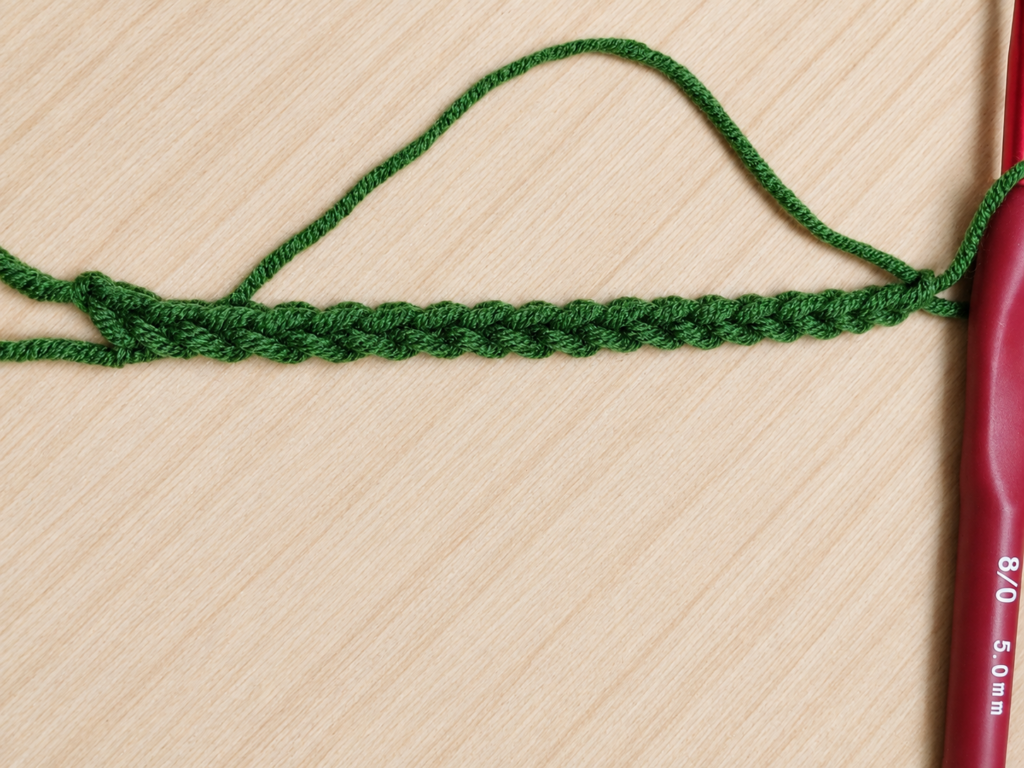
Chain stitches are often used to create the foundation of a project. They can also appear between stitches, form spaces, or help you turn your work.
Written abbreviation: ch
Beginner tip: When you see a series of chain symbols, think of them as the foundation or connecting links of your crochet project.
Chains may look simple, but they play an important role in building many crochet designs.
2. Single Crochet (sc)
Single crochet is one of the most commonly used basic stitches in crochet.
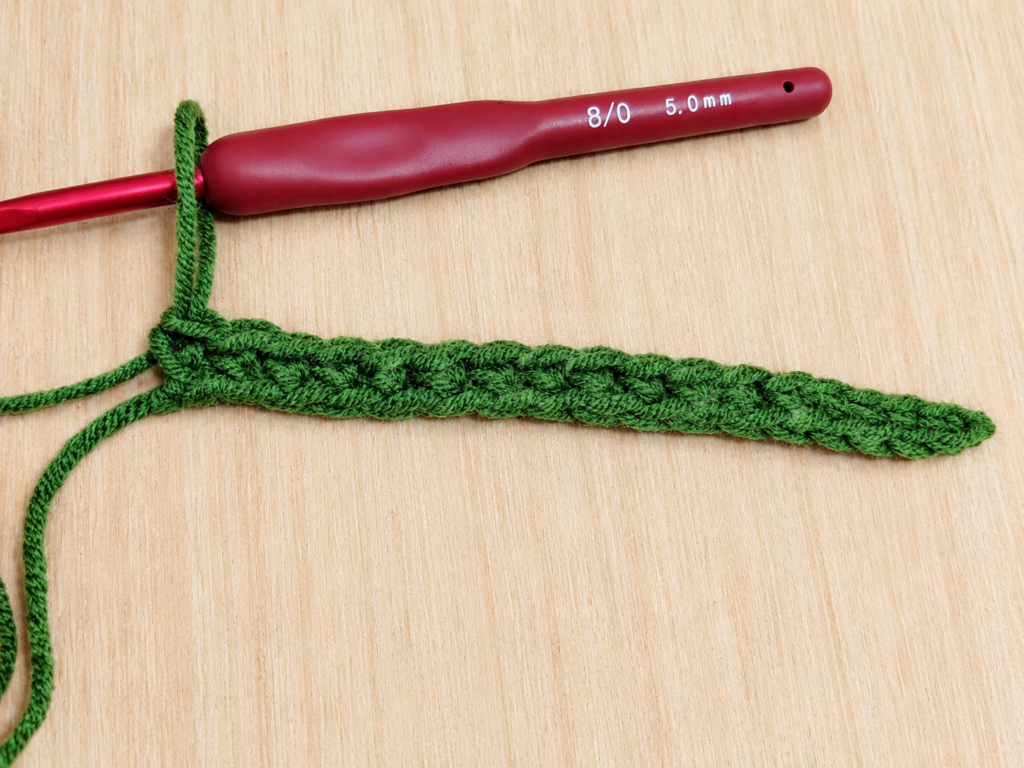
Its symbol is commonly represented by an X or cross, although chart conventions can vary.
Single crochet creates a relatively short and firm stitch, making it useful for projects that need structure and a tighter fabric.
Written abbreviation: sc
Beginner tip: When you see an X-shaped symbol, check the pattern’s symbol key to confirm that it represents single crochet.
Once you become familiar with this symbol, you’ll start recognizing it more easily in crochet charts.
3. Half Double Crochet (hdc)
Half double crochet is a stitch that falls between single crochet and double crochet in height.
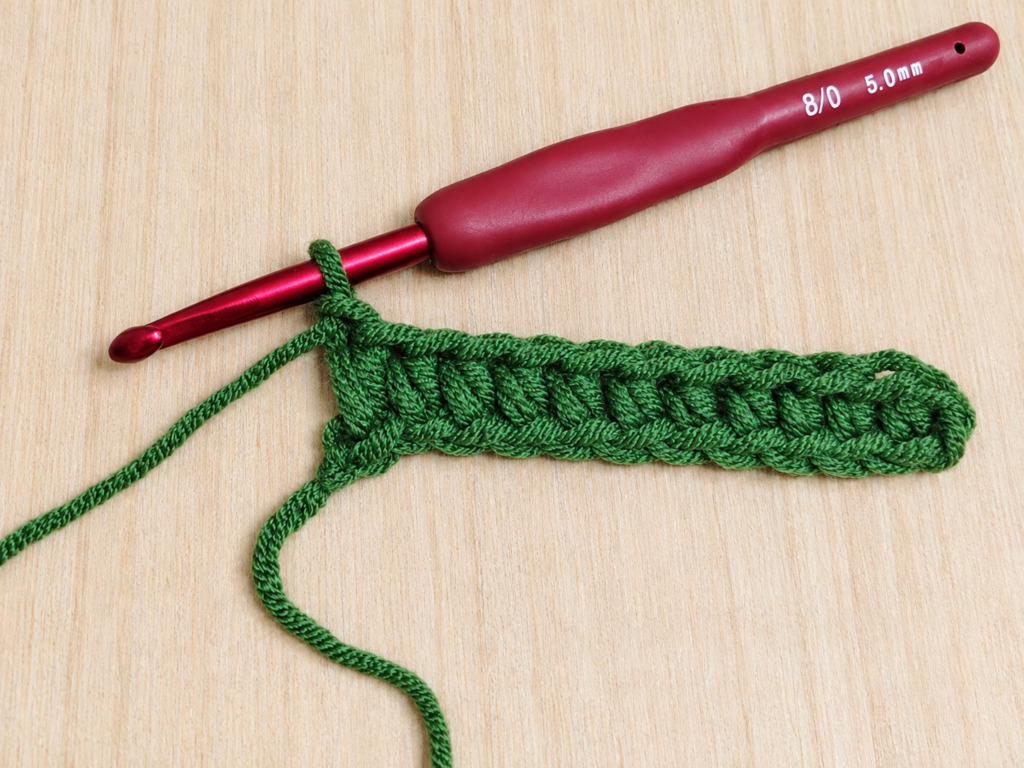
Its symbol is commonly drawn as a vertical stitch with a horizontal bar. The exact appearance may vary depending on the chart style.
Half double crochet can create a fabric with more height and drape than single crochet.
Written abbreviation: hdc
Beginner tip: Pay attention to the symbol key, especially when you come across stitches that look similar.
You may need to check the chart more than once, and that’s perfectly okay! Learning to read crochet symbols takes practice.
4. Double Crochet (dc)
Double crochet is another essential stitch that appears in many crochet patterns.
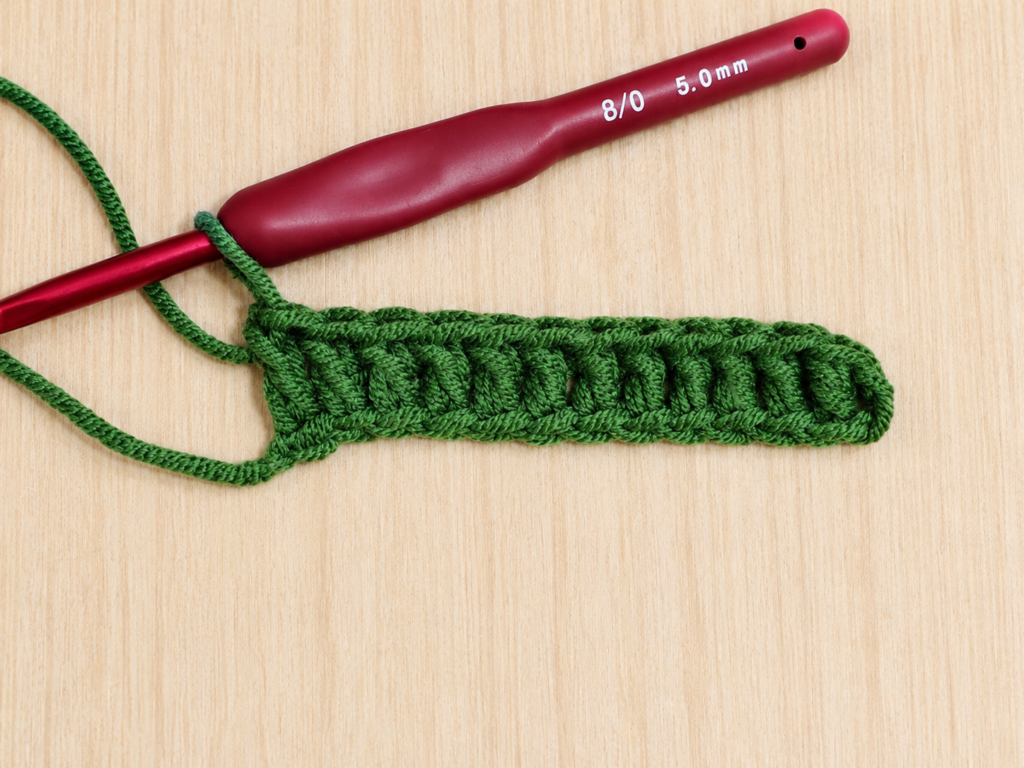
It is commonly represented by a taller vertical symbol with a horizontal bar across the upper section.
Double crochet creates more height than single crochet and is often used for blankets, garments, shawls, and decorative designs.
Written abbreviation: dc
Beginner tip: When you see a taller stitch symbol, check whether it represents double crochet or another taller stitch, such as treble crochet.
A quick look at the pattern key can help you avoid confusion while working through your project.
5. Treble Crochet (tr)
Treble crochet is taller than double crochet and is often used when a pattern needs additional height or a more open design.
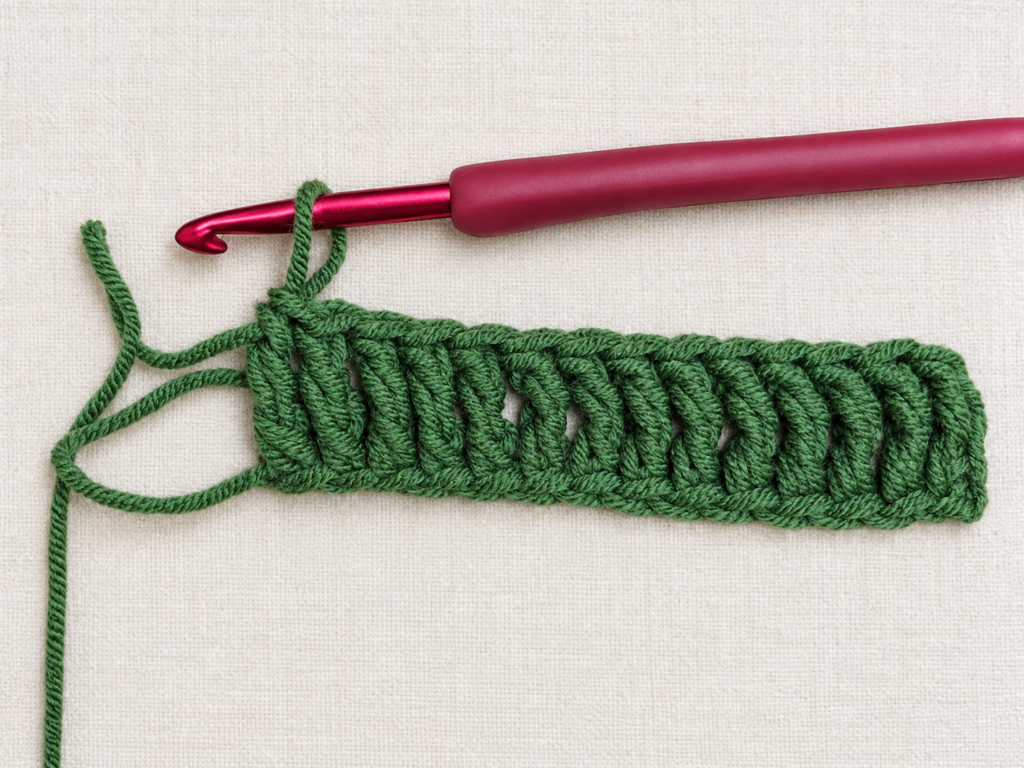
Its symbol is commonly represented by a tall vertical line with multiple horizontal bars.
Written abbreviation: tr
Beginner tip: Count the horizontal bars and refer to the pattern’s symbol key. The number of bars can help distinguish taller stitches, but chart conventions may differ.
Treble crochet can be useful for lacy designs, decorative details, and projects where you want a more open texture.
How to Start Reading a Crochet Symbol Chart
Now that we’ve covered the basic stitches, let’s talk about how to use crochet charts when following a pattern.
Here are a few simple steps to help make the process less overwhelming.
1. Look for the Pattern Key
Before you start crocheting, check whether the pattern includes a symbol key or legend.
This section explains what each symbol means. Even if you recognize some of the stitches, it’s worth checking because symbols and abbreviations can vary between designers.
My little reminder: Don’t assume that every symbol looks exactly the same in every pattern. Take a moment to check the key before you begin.
2. Identify the Starting Point
Many crochet charts indicate where you should begin. You might see an arrow, a highlighted symbol, or a specific starting point.
Depending on the pattern, you may need to read from the center outward, from right to left, from left to right, or follow another direction indicated by the designer.
The important thing is to follow the instructions provided with the chart.
If the direction feels unfamiliar at first, don’t worry. It gets easier with practice.
3. Understand How the Symbols Connect
One of the most helpful things about crochet charts is that they show how stitches relate to one another.
For example, you might see:
– Chain symbols connecting different sections of a pattern.
– Single crochet symbols forming a compact row.
– Taller stitches creating height.
– Multiple symbols grouped together to form a flower petal or decorative shape.
Instead of looking at every symbol separately, try to observe the overall design.
Think of the chart as a visual map of your crochet project. Each symbol is a small instruction that helps you build the bigger picture.
4. Start With a Small Section
You don’t have to understand the entire chart before you begin.
Choose a small section and focus on just a few stitches. Once you understand that part, move on to the next.
This can help prevent the feeling of being overwhelmed by a page full of unfamiliar symbols.
And if you make a mistake? That’s okay!
Sometimes the best way to understand a pattern is to try, undo a few stitches, and try again. We’ve all had those moments when we realize we’ve been crocheting in the wrong stitch for several rows. 🙈
Common Beginner Mistakes When Reading Crochet Symbols
Learning crochet charts takes practice, and making mistakes is part of the learning process.
Here are a few things to watch out for:
Skipping the symbol key: Even familiar-looking symbols may have different conventions.
Starting in the wrong place: Check the chart’s starting point and direction before you begin.
Confusing similar stitches: Single crochet, half double crochet, double crochet, and treble crochet have different heights and symbols.
Trying to memorize everything: You don’t need to know every symbol immediately. Keep a reference guide nearby while practicing.
Forgetting to count: Counting your stitches and checking your work as you go can help you catch mistakes early.
Remember, making a mistake doesn’t mean you’re bad at crochet. It simply means you’re learning.
A Few Tips to Make Crochet Charts Less Intimidating
When I think about learning something new in crochet, I remind myself that confidence comes from repetition.
The first time you see a crochet chart, it might look confusing. The next time, you may recognize a few symbols. Eventually, you’ll start understanding how the stitches work together.
Here are a few encouraging reminders for beginners:
– Keep a basic symbol guide nearby. You can refer to it whenever you forget a stitch.
– Practice with simple patterns. Start with small projects that use stitches you’re already familiar with.
– Read the written instructions alongside the chart. Using both can help you connect the words with the symbols.
– Take your time. Crochet is a skill, not a race.
– Don’t be afraid to unravel. Sometimes frogging is simply another way of learning.
And most importantly, don’t compare your beginning to someone else’s years of experience.
Every experienced crocheter was once a beginner trying to figure out where that hook was supposed to go.
Final Thoughts: Take It One Stitch at a Time
Learning how to read crochet symbols might feel intimidating in the beginning, but you don’t need to master everything all at once.
Start with the basics: chain, single crochet, half double crochet, double crochet, and treble crochet. Learn their symbols, practice the stitches, and gradually explore more complicated charts as your confidence grows.
There will be moments when a pattern makes perfect sense, and there will be moments when you stare at it wondering whether the designer is speaking another language. Both experiences are part of learning.
The important thing is to keep going, stay curious, and give yourself permission to make mistakes.
Crochet is not about getting everything perfect on the first try. It’s about learning, creating, and enjoying the process one stitch at a time.
So the next time you open a crochet pattern and see a page full of symbols, take a deep breath, grab your hook, and remember: you don’t have to understand everything at once.
Start with one symbol. Then one stitch. Before you know it, those little shapes might start turning into something beautiful. 💗
Happy crocheting! 🧶